Essay
226 links met de tag essay uit 10 Things, onze tweewekelijkse selectie van de beste dingen online.
Blader per onderwerp226 links
The Era of Bleh
As AI quietly writes more of our knowledge work, Aaron Horwath watches everything slide toward sameness.
noemamag.com · #365
AI Takes a Doomer Turn
The people building AI are now the ones warning us about it, and this asks what we do once the fear sets in.
technologyreview.com · #364
A New Kind of Creative Poverty
Afra Wang reads our AI-flooded feeds through Joan Didion, and finds a strange new poverty in endless plenty.
noemamag.com · #364
Opinion Is the Moat
Renato Valdes argues that once every product converges on the same AI-assisted feature set, the last real differentiator left is a point of view someone's actually willing to defend.
renatovaldes.com · #363
Why Time Feels Faster Than It Used To
Noema traces why the 2020s scrambled everyone's sense of time, from Boomers to Zoomers — turns out the warping is real, backed by actual psychology.
noemamag.com · #363
Why Google's AI Answers Are Quietly Changing What We Ask
A search obsessive on how confident AI answers are reshaping the questions we bother typing into Google at all.
nytimes.com · #362
When "Nice" Becomes a Company's Biggest Liability
HBR on how comfort-first cultures quietly trade candor for harmony, and why that trade rarely pays off.
hbr.org · #362
Why Designers Quietly Avoid Making Things Too Accessible
Joost's pick — an honest look at the discomfort behind accessible design, and why teams treat it as a checkbox instead of a craft.
medium.com · #362
Why Celebrities Can't Paint
Gary Grimes asks why megastars from Ed Sheeran to Adrien Brody keep failing to earn real artistic credibility.
itsnicethat.com · #361
The Age of Average
Alex Murrell's essay on how film, fashion, and branding keep converging on the same safe, data-approved look.
alexmurrell.co.uk · #361
Tech's Best Sales Team? You.
A Guardian columnist argues targeted social ads have quietly turned tech companies' own users into their sales force.
theguardian.com · #361
Is Ambient Music Evil?
Blackbird Spyplane argues streaming stripped ambient music of ritual, flattening it into algorithm-friendly vibes.
blackbirdspyplane.com · #361
Why Is Everyone in Tech So Sad?
Noema traces the industry's quiet emotional recession: layoffs, AI anxiety, and a mission-driven self-image in freefall.
noemamag.com · #361
95 Reasons for Your Own Website
Elliott Cost is keeping a running list — 95 and counting — for why a personal site still earns its keep in 2026.
bellkiosk.website · #360
How to ensure your company acts on your new strategy
HBR on the unglamorous work of actually making a company act on the strategy it just agreed on.
hbr.org · #360
It's okay to hop on the bandwagon
On New York's sudden, collective pivot to the Knicks and the World Cup — sheeple summer, and why it's fine.
substack.i-d.co · #360
AI Didn’t Kill SaaS, It Raised the Bar
Tomislav Car argues AI hasn’t killed SaaS — it’s raised the bar so high that average products can no longer survive.
infinum.com · #359
How AI Will Change Us
As AI companions proliferate, the goods that matter most may be those only shared human presence can still provide.
noemamag.com · #359
AI, Drones & Eric Schmidt
Schmidt calls AI-guided drone warfare the most significant shift in military history — and says it's already here.
noemamag.com · #358
What Might The Next Axial Age Look Like?
Noema asks whether today's crises are forcing a civilizational reset as profound as any in recorded history.
noemamag.com · #357
Finding Your New Strategic Center
Companies that commit to one clear organizing principle gain speed and coherence while rivals drown in strategic drift.
hbr.org · #357
The Death of Twitter, told through its own tweets
The Verge tells the story of Twitter's death through the tweets that witnessed it — an oral history in 280 characters.
theverge.com · #357
Why you need AI that reduces maintenance costs
James goes on a rant on a dark desert highway...
jamesshore.com · #356
How to Protect Human Autonomy in an Age of AI
As AI reshapes daily thinking, philosopher Daniele Cavalli argues for protecting the cognitive capacities we never notice ourselves ceding.
noemamag.com · #355
How creative rituals can help you break free from the idea echo chamber
Inspiration feels harder to find nowadays (except in this newsletter, of course). INT lays out some approaches for protecting the gray cells from sloppification.
itsnicethat.com · #355
Why AI Needs a Sense of Smell
While we rush toward digital intelligence, we often neglect the primal, olfactory data that defines the human experience.
noemamag.com · #353
Teaching Tech vs. Cultivating Taste
A provocative look at why graphic design schools are functioning more like trade schools and less like the incubators of cultural instinct they should be.
itsnicethat.com · #353
Is This the End of CSS?
A provocative look at why the future of text layout might move beyond the traditional constraints of the web’s styling language.
chenglou.me · #352
Living in the Screen Space
The internet is no longer a destination we visit but an environment we inhabit, requiring a new philosophy of digital space.
noemamag.com · #352
Post-Mortem for the Creative Agency
Madison Utendahl pulls back the curtain on why she closed her firm and why the traditional agency model is officially breaking.
itsnicethat.com · #351
AI Agents are Recruiting You
The machines need us, not as masters, but as sensors, verifiers, and bearers of liability in the physical world.
noemamag.com · #350
What Worked Last Time is the Enemy of What Works Next
Relying on what worked before leads to safe, repetitive work, while real progress requires experimentation and letting go of past formulas.
itsnicethat.com · #350
From 📟 Technical Debt to 😶🌫️ Cognitive Debt
As agentic AI takes over the heavy lifting, a new challenge emerges: the mental cost of managing systems we no longer fully understand—or even care for.
margaretstorey.com · #349
Our Emerging 🪐 Planetary Nervous System
A deep dive into the need for a new kind of wisdom that synchronizes our digital signals with the natural rhythms of a changing world.
noemamag.com · #349
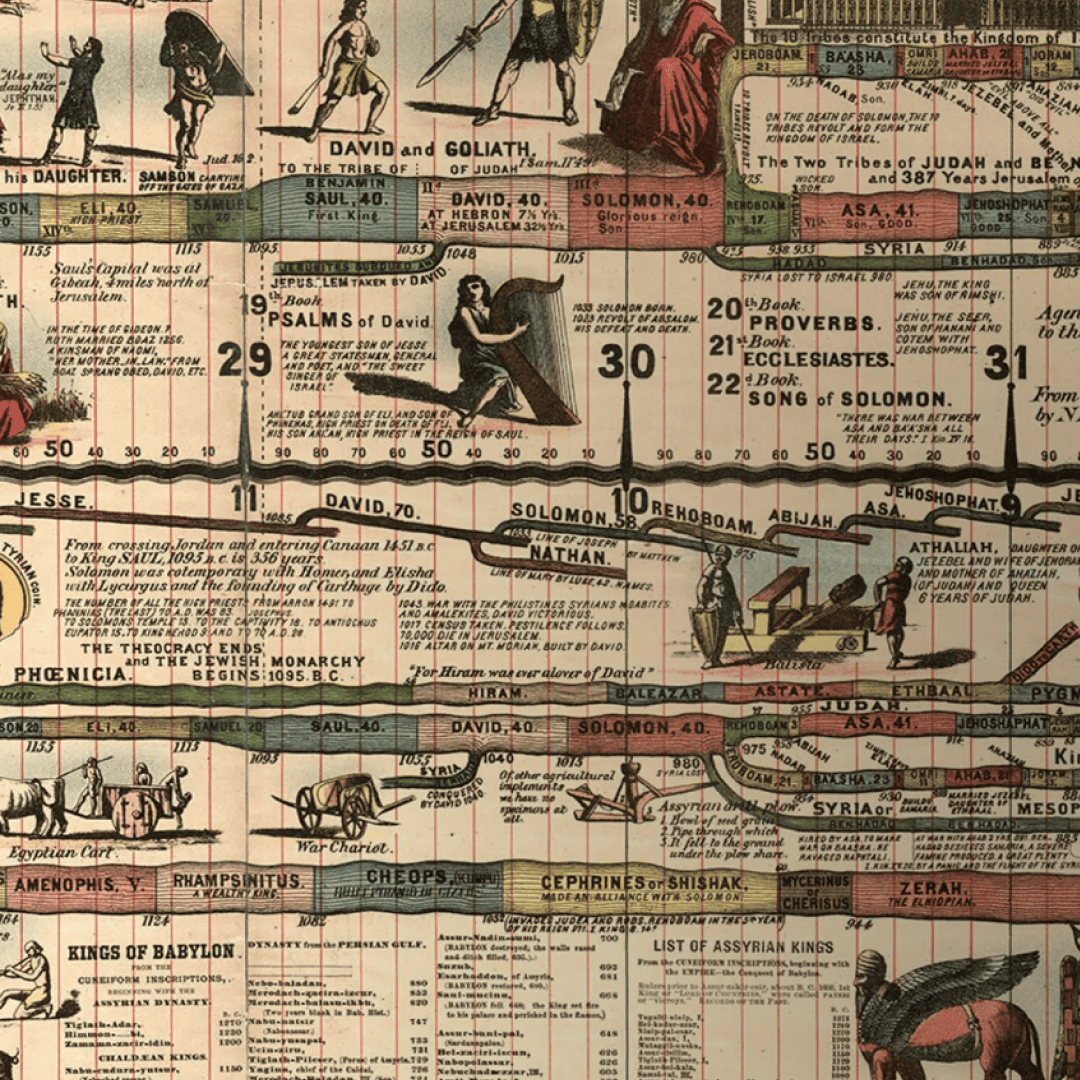
The Invention of the Timeline
A look back at the 19th-century shift when time became a straight line, forever changing how we visualize our past and chase our future.
aeon.co · #348
The Mythology Of Conscious AI
Why consciousness is more likely a property of life than of computation and why creating conscious, or even conscious-seeming AI, is a bad idea.
noemamag.com · #348
Technology’s Awkward Adolescence
Anthropic’s Dario Amodei argues that humanity must "grow up" fast as we hand over the keys to systems that are as powerful as they are unpredictable.
darioamodei.com · #348
Unlearning as a creative act
Raissa Pardini argues that stepping away from AI isn’t about rejection. It’s about reclaiming intuition, messiness and doubt.
creativeboom.com · #347
Cut-Through vs. Cut-Out
Most marketing thinking still assumes that attention is the primary bottleneck, as if audiences are passive recipients waiting to be interrupted, persuaded, or impressed by whatever appears in front of them.
linkedin.com · #346
The Death Of The Scientist
This essay argues that science’s future depends less on automation and more on protecting its deeply human, symbolic core.
noemamag.com · #346
From <br> to Beyond
A thoughtful look at 30 years of web development, tracing the shift from simple markup to sprawling systems.
artmann.co · #346
The Best Way to Use AI for Learning
Instead of using AI just to speed up learning, harness AI to directly engage with and deeply understand complex, challenging primary sources.
medium.com · #346
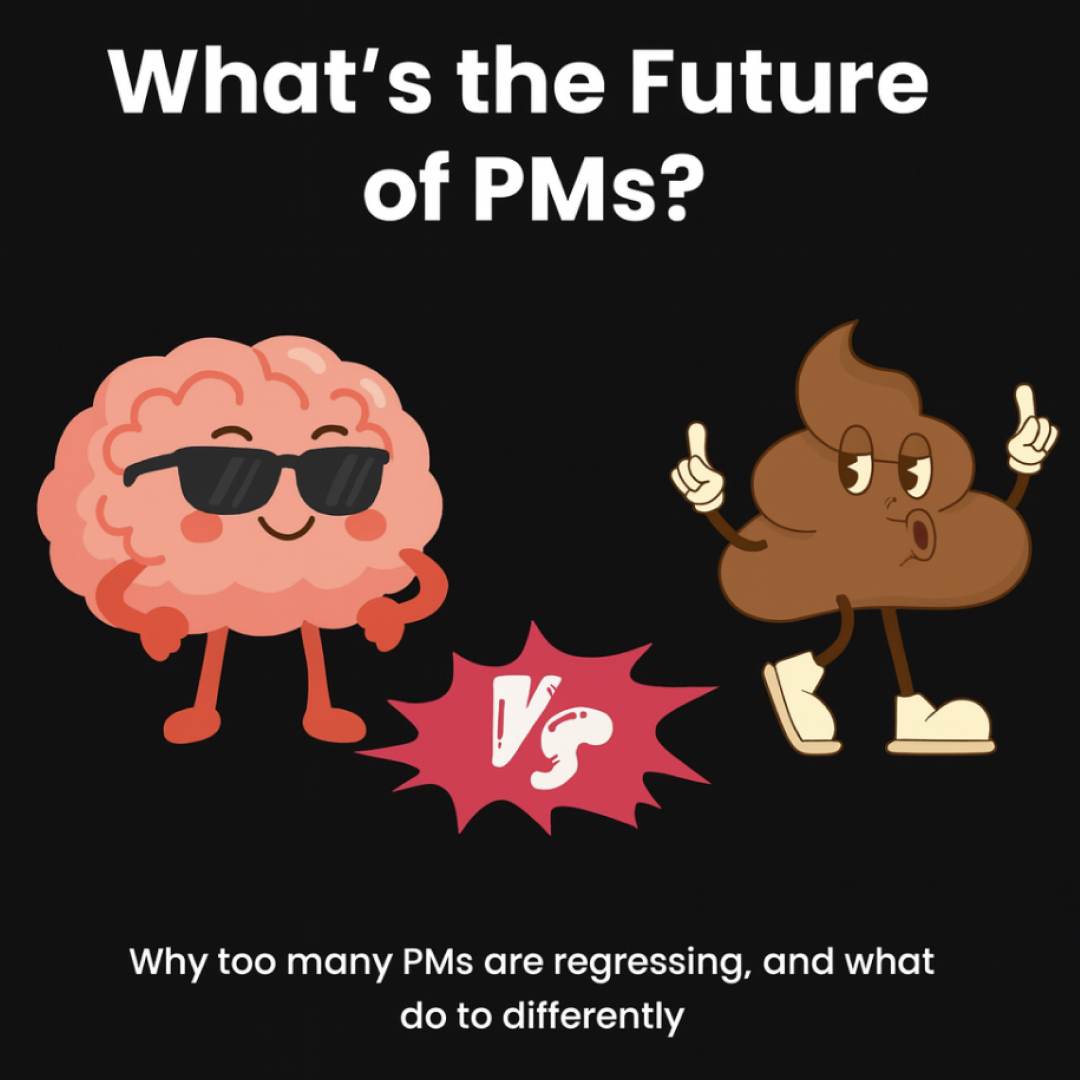
What’s the Future of PMs?
A sharp warning: Trendy AI tools and “vibe-coding” don’t replace judgment. Product leadership still lives in clarity, decision-making, and understanding real problems.
dpereira.substack.com · #345
The Death of Software Engineering Is a Myth
Each wave of tech hype predicts the “death” of software engineering, but in reality, it just shifts abstraction while creating new problems and more work.
jasonscheirer.com · #345
What Actually Makes You Senior
It’s not mastery of tools. It’s the ability to turn ambiguity into something others can act on.
terriblesoftware.org · #345
The Planning Paradox
Plans age badly. Planning doesn’t. A useful reminder that momentum comes from the act, not the artifact.
productparty.us · #345
Why Creative Work Needs Structure to Thrive
A reminder that great ideas don’t bloom in chaos; they grow in the quiet, consistent rhythm that gives imagination somewhere to land. This is something that really resonates with us ;)
designworklife.com · #344
The Case for AI ‘Datarails’
A bold argument for the data we must not feed the machine and why protecting human weakness may be the key to protecting human dignity.
noemamag.com · #344
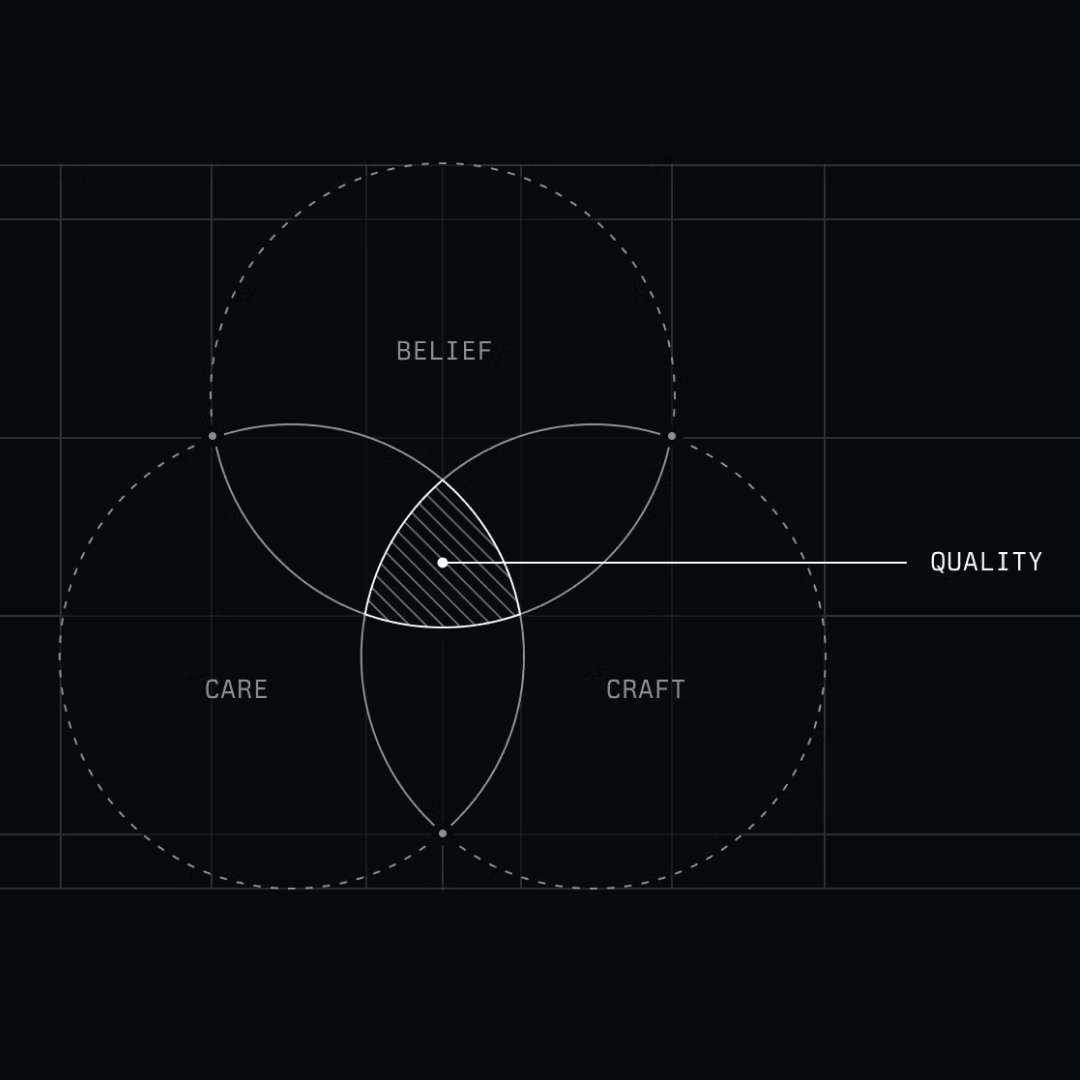
Why Is Quality So Rare?
Linear unpacks why speed and scale have overtaken care and craft and why choosing quality is becoming an increasingly radical act.
linear.app · #343
The Future of Space Is More Than Human
The time has come to expand our visions of life beyond Earth. A provocative vision: space as a multispecies frontier where biology, technology, and imagination collide to extend life beyond Earth.
noemamag.com · #343
The Future of Shopping Is Agentic
With the new Shopify & Paypal integrations into ChatGPT, we shared our thoughts on what this agentic commerce means on the future of shopping and the traditional funnel.
Your Majesty · #342
Can AI Help Brands Build, Not Just Sell?
Tom Roach explores how AI might be more than a performance tool, and why the best brand builders of the future might be fluent in prompts and poetry.
marketingweek.com · #342
The Gothic Isn’t Dead - It’s Just Rebranded
A great piece that looks at the resurrection of gothic imagery in contemporary design. This is gothic as aesthetic language, not costume.
itsnicethat.com · #342
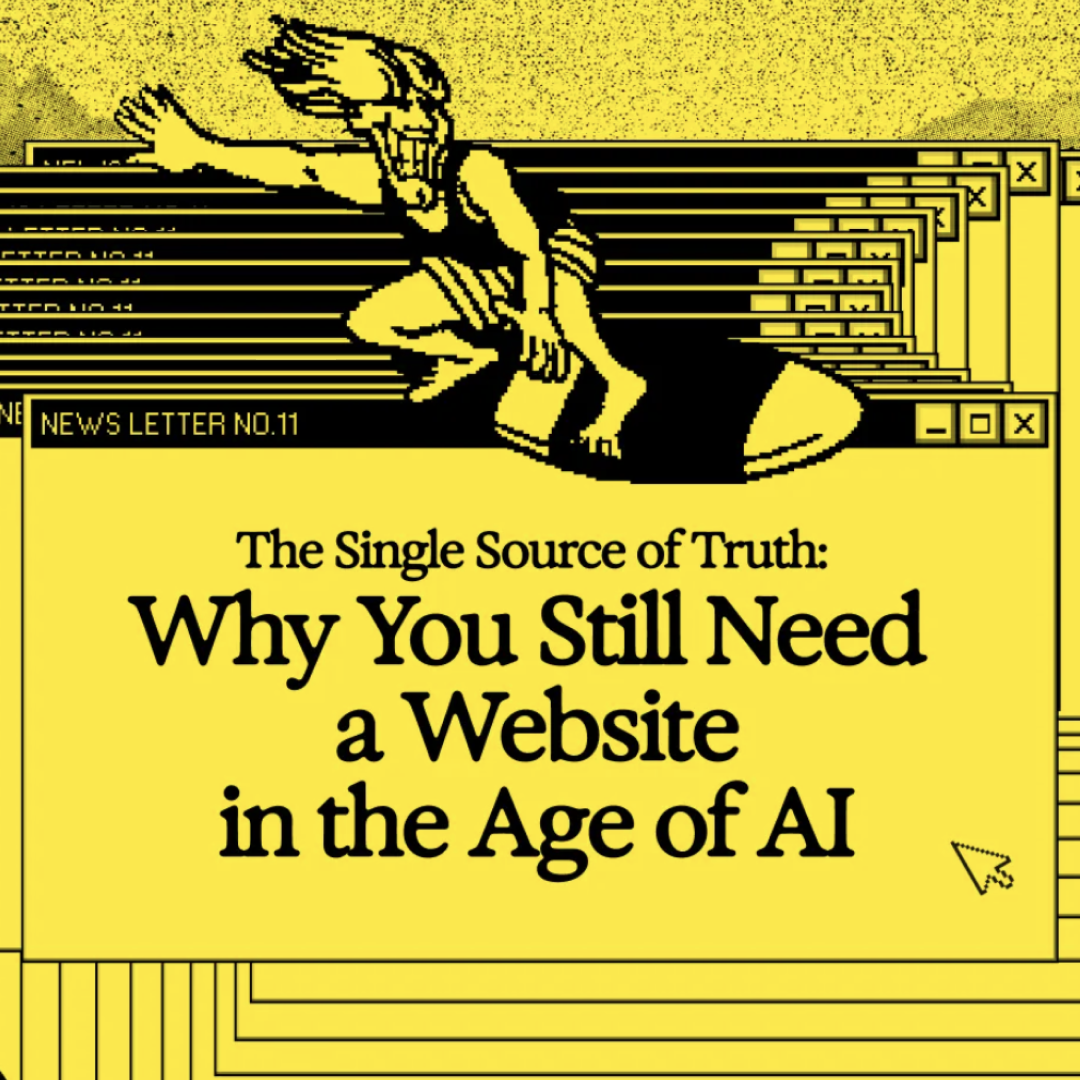
Why “One Source of Truth” Is a Lie
This article unpacks why brand identity can’t (and shouldn’t) be frozen in a single deck. The best brands are coherent, not static.
offbrandkoto.substack.com · #342
Invest in the Ecosystems
A thoughtful essay on why systems thinking is everything - especially when designing for sustainability, not just scale.
noemamag.com · #342
The Vulgar Image and the Social Feed
Spike Art digs into the aesthetic of vulgarity - why we scroll toward excess, and how social platforms reward what once would’ve been considered “too much.”
spikeartmagazine.com · #342
The Rise of AI Slop
The Atlantic breaks down how generative content, often bland, synthetic, and indistinguishable, is reshaping the internet in real time.
theatlantic.com · #342
Is AI Reversing Our Understanding of Intelligence?
Psychology Today explores the idea that AI doesn’t just replicate intelligence — it reframes it. When machines look smart, do we start thinking dumber?
psychologytoday.com · #342
The S-Curve Is Coming for You
Concept Bureau breaks down what happens after the early hype fades, and why the messy middle of innovation is where the real shape of things takes form.
conceptbureau.substack.com · #341
Can Europe Reclaim Its Digital Sovereignty?
Europe wants to shape tech on its own terms, but is it too late? A powerful essay on autonomy, regulation, and designing systems that reflect more than Silicon Valley’s values.
noemamag.com · #341
Stripe on Scaling Well
A beautifully designed essay from Stripe Press on what it really means to scale. from code to company to mindset.
stripe.press · #341
Techno-Optimism vs. Fear, in One Scroll
A must-read, the Import AI newsletter takes a sharp look at the double-edged feeling that defines this moment: momentum meets anxiety.
jack-clark.net · #341
If AI Can Diagnose You, What Are Doctors For?
The New Yorker takes on the hard question behind AI-powered medicine: when machines “know,” what does care still mean?
newyorker.com · #340
Taste Is the New Power Tool
According to FIELD, taste has evolved from personal instinct to cultural operating system - the last un-automatable advantage in a machine-made world.
field.io · #339
What Sci-Fi Can Teach Brands
Worldbuilding isn’t just for screenwriters - it’s brand strategy. From Blade Runner to Black Panther, here’s what immersive fiction reveals about storytelling at scale.
printmag.com · #339
The Vibe Coding Mirage
A sharp critique from Microsoft’s Suff Syed on why vibe coding is more hype than reality. AI demos wow, but 95% of enterprise pilots fail, a cautionary tale for sustainable product building.
suffsyed.com · #338
Armani’s Italian Chic, Remembered
A look back at Giorgio Armani’s career and how he translated a uniquely Italian style into a global fashion phenomenon.
nytimes.com · #338
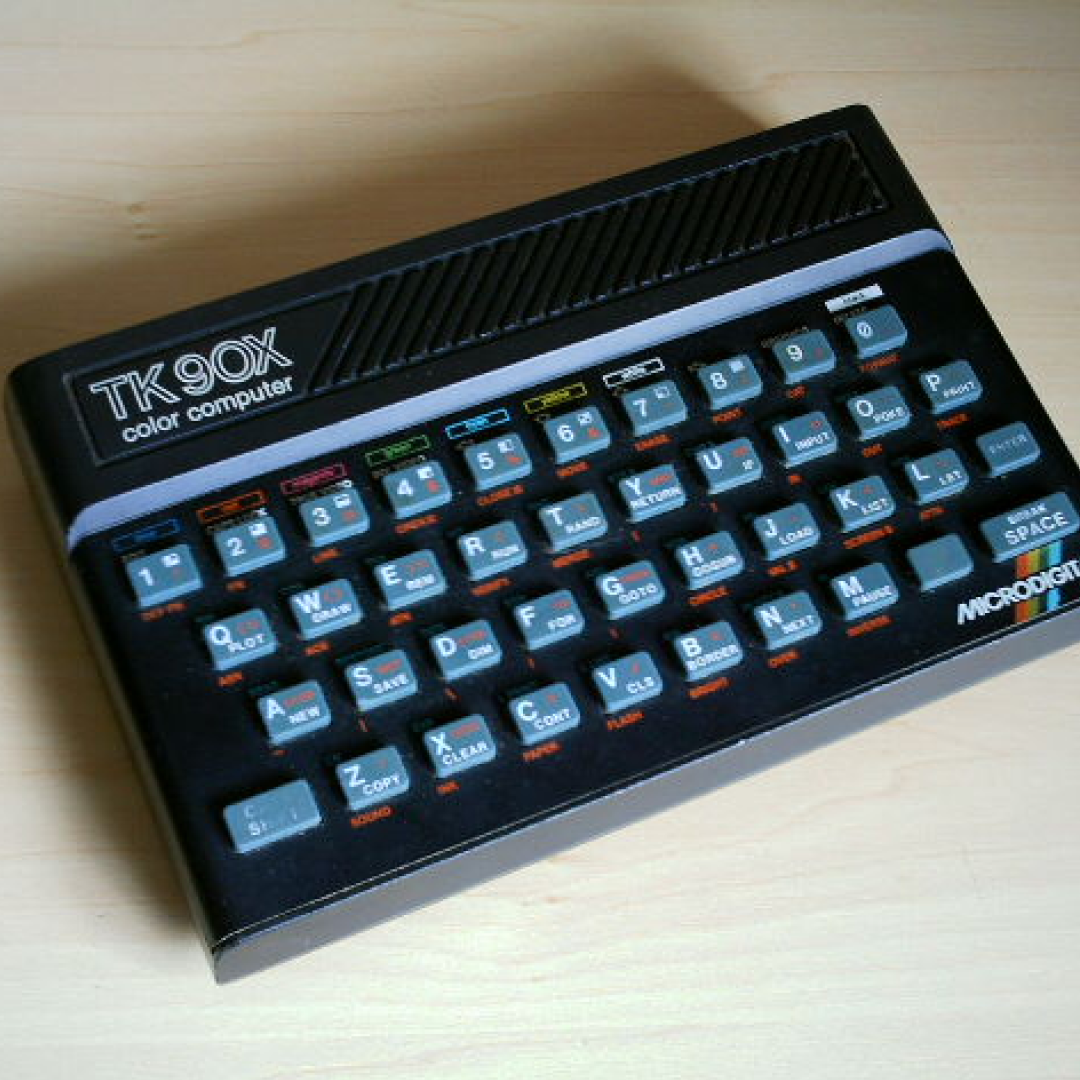
Learning the Hard Way on a TK90X
A personal essay on the unforgiving experience of learning to code on clunky 80s hardware and what it says about today’s AI work struggles.
linkedin.com · #338
Where’s the Shovelware?
If AI makes developers 10x more productive, why aren’t we seeing 10x more software? A thoughtful dive into productivity paradoxes and missing outcomes.
mikelovesrobots.substack.com · #338
Minimum Viable Testing (MVT)
A guide to the MVT process for startups, offering a structured way to validate ideas before scaling, something we’ve also been experimenting with.
review.firstround.com · #338
UX Is Dead, Long Live AX
John Maeda maps the shift from user experience to agent experience, where AI tools act on behalf of the user.
johnmaeda.medium.com · #337
Labubumatchadubaichocolate Is a Mood
The New Yorker’ weekly opinion piece on technology and culture talks about the recent trend of absurdity, and where Labubumatchadubaichocilate is a response to algorithmic overstimulation.
newyorker.com · #337
Is AI Making Us All Delusional?
Three years in, AI’s most unsettling side effect might not be automation, it’s the creeping sense that we’re all slowly losing touch.
theatlantic.com · #337
How to Write Better Code with AI
Less hype, more habit: Sajal Sharma offers a tight framework for actually using AI tools to think through your code.
sajalsharma.com · #336
When ChatGPT Broke an Entire Field
This oral history of computational linguistics post-GPT is funny, tragic, and slightly unhinged. A must-read for anyone tracking AI’s ripple effects.
quantamagazine.org · #336
I Know When You’re Vibe Coding
A beautifully written reflection on how coding can feel - when it flows, when it stumbles, when it vibes. More poetry than tutorial.
alexkondov.com · #336
How to Pay Attention (Again)
An essay on the neuroscience of focus that rewires the mind. A poetic, brain-based reminder that nowadays attention isn’t just a skill but an act of resistance.
contemplationstation.substack.com · #335
Are Blink-182 Cult Brand Architects…?
Turns out “What’s My Age Again?” was also a brand strategy. A great breakdown of how Blink-182 built loyalty through honesty, emotion, and inside jokes.
linkedin.com · #335
Taste Is the New Intelligence
In a world drowning in content and noise, the ability to choose with precision, intention, and style might be the ultimate intellectual flex.
wildbarethoughts.com · #334
Why Writing by Hand Still Matters
A beautiful exploration into handwriting in our hyper-digital age, and why the writing differences of each generation matter.
straitstimes.com · #334
Are We Lying to Young People?
An unflinching look at the overly-optimistic advice we give younger generations and the need for a more honest, nuanced narrative.
maalvika.substack.com · #334
An Illustrator’s AI Reckoning
In this haunting visual essay in the NY Times, an illustrator confronts his fears and questions his relationship with art and the future of drawing for a living.
nytimes.com · #334
The End of Publishing As We Know It
A long-read unpacks how chatbot overviews & summary features are keeping users locked into conversations, and threatening media & journalism as we know it.
theatlantic.com · #333
The Illusion of Intellect
What does it mean to be smart in an age of performative knowledge? This essay unpacks how AI contributes to a shallow sense of understanding.
whatsanu.substack.com · #333
The Constipation of Culture: Why Nothing New Gets Through and Nothing Old Goes Away
How late capitalism turned culture into content and content into sludge.
mikecormack.substack.com · #332
Why Some Brains Are Wired for Extremism
Neuroscientist and author of The Ideological Brain Leor Zmigrod illuminates the factors leading some people down a path of extremism.
atmos.earth · #332
The Danger Of Superhuman AI Is Not What You Think
The rhetoric over “superhuman” AI implicitly erases what’s most important about being human.
noemamag.com · #332
How to Be an Artist
Four major artists talk to us about where their obsessions came from — and what they did about the obstacles thrown in their way.
nytimes.com · #332
What Happened to Speculative Futurism?
It’s time that digital artists up their game.
artreview.com · #332
Shit’s Gonna Get So Fucking Weird and Terrible
An uncomfortably honest field guide to the deeply bizarre now-now-soon.
sonderuncertainly.substack.com · #331
Generative AI models are skilled in the art of bullshit
Large language models are unconcerned with truth because they have no concept of it — and therein lies the danger.
ft.com · #331
Echoes from the Lost Internet
What we can still learn from a Flash Website built in 2000.
alexandrajugovic.substack.com · #330
How creativity became the reigning value of our time
In "The Cult of Creativity," Samuel Franklin excavates the surprisingly recent history of an idea, an ideal, and an ideology.
technologyreview.com · #330
What Can We Learn from Broken Things?
Much of what we see now is fake, and the reality we face is full of horrors. More and more of the world is slipping beyond my comprehension.
newyorker.com · #330
Building A Prosocial Media Ecosystem
There’s never been a better time to make social media what it always should have been: a tool to strengthen rather than strip-mine the social fabric.
noemamag.com · #330
Reclaim Imperfect Faces
Technology isn’t just changing the way we look—it’s changing our sense of how we should look.
theatlantic.com · #329
What We Lose When We Spend to Feel Better
Consumer culture taught us that joy can be bought—but the ecological costs of our shopping habits reveals how misguided that promise was.
atmos.earth · #329
AI Is Evolving — And Changing Our Understanding Of Intelligence
Advances in AI are making us reconsider what intelligence is and giving us clues to unlocking AI’s full potential.
noemamag.com · #329
Are colors objective? These philosophers think so
Our ability to determine whether objects are colored the same or differently and the indispensable roles they play in science suggest that colors are as real and objective as length and temperature.
fastcompany.com · #329
Our human habit of anthropomorphizing everything
Should we be anthropomorphizing AI? Why do we speak to AI as if it's human? Do we want AI to act in a certain way? Do we want it to be more human? Or do we just assign it that trait anyway?
doc.cc · #327
Medical Benchmarks and the Myth of the Universal Patient
From growth charts to anemia thresholds, clinical standards assume a single human prototype. Why are we still using one-size-fits-all health metrics?
newyorker.com · #327
Living Things Are Not Machines (Also, They Totally Are)
Our formal models of life, computers and materials fail to tell the entire story of their capabilities and limitations.
noemamag.com · #326
We All Have ‘Archive Anxiety’ Now
As online access to information becomes increasingly restricted, even the noblest feats of preservation and archiving are being hijacked.
artreview.com · #326
The Worthwhile Trend of Romanticizing Your Life
Why do we feel the need to save life’s finer things for "special occasions"?
hardcopy.online · #325
The Top 5 Longreads of the Week
Thoughtful stories for thoughtless times, showcasing stories from Julia Webster Ayuso, Abe Beame, Tracy Thompson, Will Boast, and Gary Grimes.
longreads.com · #325
Why AI Is A Philosophical Rupture
Tobias Rees, founder of an AI studio located at the intersection of philosophy, art and technology, sat down with Noema Editor-in-Chief Nathan Gardels to discuss the philosophical significance of generative AI.
noemamag.com · #325
Am I Slop? Am I Agentic? Am I Earth?
Every few years, a new innovation seems to raise the same questions: can we compute human intelligence? Can our labor be automated? Who owns these systems and their training data? How will this technology reshape society? Yet there is one question rarely heard asked: how will AI change our understanding of ourselves?
longnow.org · #324
Elizabeth Goodspeed on what happens when we treat the past like a stock library
Not all borrowing is the same. From public domain illustrations on book covers to AI’s data hoarding, who really owns culture – and who gets away with taking it?
itsnicethat.com · #324
The Man who could paint Loneliness
Though known for his gloomy landscapes, Caspar David Friedrich was chasing the sublime—the divinity, in all of nature, that made us seem small.
newyorker.com · #323
Best of Further Reading 2024: FT journalists pick their favourite non-FT articles of the year
Financial Mail has once again enlisted the help of their legacy media colleagues to bring together the best articles published over 2024 that weren’t in the FT.
ft.com · #323
The Technology that actually runs our World
Cultural algorithms are only downstream of the larger, intractable forces that shape how art is made and supported. It’s not that Spotify has made music more boring or that Instagram has made art more stale.
theatlantic.com · #323
The Intersection of Technology and Art: Exploring the Impact of Digital Innovations on Culture
Delve into the many ways technology is influencing art and culture, and examine the opportunities and challenges that arise from this intersection.
medium.com · #323
The Stranger Things Effect Comes for the Novel
In modern fiction, vintage media have emerged as tactile objects that symbolize integrity, solve the crime, and radiate realness.
theatlantic.com · #323
Wellness Culture Is Now Peddling Extremism
From trad wives to raw milk, social media’s wellness trends have been radicalized—and could cost us a more equitable future.
atmos.earth · #322
Service as a Software: The New SaaS
Over the upcoming decade, AI-provisioned intelligence will become almost free, and instantly available. AI won’t just assist professionals — it will take over much of the work as a packed instant service provider. Welcome to the age of boundless skill scalability, where services transform into software and economies grow beyond human imagination.
uxtigers.com · #322
The 70% problem: Hard truths about AI-assisted coding
A field guide and why we need to rethink our expectations.
addyo.substack.com · #322
Things we learned about LLMs in 2024
A lot has happened in the world of Large Language Models over the course of 2024. Here’s a review of things Simon figured out about the field in the past twelve months, plus his attempt at identifying key themes and pivotal moments.
simonwillison.net · #322
The age of average
In an age where literally everything looks the same, is it time to introduce some originality into design, culture and life?
alexmurrell.co.uk · #321
How to use AI to do practical stuff: A new guide
AI got you overwhelmed? This is a good read for anyone who wishes to understand AI a bit more but has limited time to actually keep up with it all.
oneusefulthing.org · #321
Ikigai and the question of personal purpose
While brands have been obsessed with purpose in recent years, we have overlooked personal purpose, which can lead to a far more enriching working life.
creativereview.co.uk · #321
The shame of LinkedIn
A jobs board + social media + personal updates, LinkedIn often feels so cringe. But is it possible to post there without being cringe yourself? Experts give their point of view.
businessinsider.com · #321
The future of betting
Prediction markets have been around for a long time, but it was only during the last election that they broke fully into the mainstream. This surge is due to trickle down into other markets, from popular culture to the weather.
businessinsider.nl · #320
Elizabeth Goodspeed on untangling credit in design
As Athletic Greens’ meteoric rise shows, a brand’s success often depends on its identity system. But who gets recognition for the work when multiple studios shape a brand over time?
itsnicethat.com · #319
The Endgames of Bad Faith Communication
Seeking to understand others and communicate honestly is an essential democratic virtue. Can it be maintained in the digital age?
consilienceproject.org · #318
The fallacy of faster
Rory Sutherland challenges our knee-jerk assumption that faster is always better. He asks us to consider what might happen if we approached problem-solving and decision-making with a more open-ended, human-centered perspective.
densediscovery.com · #318
How Everyone Got Lost in Netflix’s Endless Library
Ten years after Silicon Valley remade TV, it’s become clear how the streaming revolution distorted our collective viewing habits — and sense of the culture.
nytimes.com · #316
Drowning in slop
A thriving underground economy is clogging the internet with AI garbage — and it’s only going to get worse.
nymag.com · #315
Ikigai and the question of personal purpose
While brands have been obsessed with purpose in recent years, we have overlooked personal purpose, which can lead to a far more enriching working life.
creativereview.co.uk · #315
Why “founder mode” is a rebranding for micromanaging, top-down leaders
How some leaders, under the guise of being visionary founders, exert excessive control over decisions and daily operations.
uxdesign.cc · #314
How Should We Mourn the End of Summer?
Mourning over the loss of big things in life is considered ‘normal’, but it’s okay to grieve over small losses too – like losing summer. Here’s how to handle it.
nytimes.com · #313
Sarah Masete — The art director building communities in Berlin and beyond
“My biggest dream is to thrive together with others,” – this creative shares how her vigour for learning and continuous curiosity serve as a catalyst for change.
wepresent.wetransfer.com · #313
Full catastrophe living
Embracing when things go wrong, with acceptance and a positive outlook on the silver linings you could take away.
deathtoshitads.beehiiv.com · #313
Generative AI and the Creative Industry: Finding Balance Between Apologists and Critics
There’s an opportunity to reshape the creative industry with AI – the balance lies in curiosity and responsibility.
medium.com · #313
Stop inventing product problems; start solving customer problems
Customers don’t really need your product, they have outcomes they want to achieve and if your product helps them get there, then they want it.
medium.com · #313
Three reasons we’re in an AI bubble (and four reasons we’re not)
As tech giants continue to invest heavily despite slow profitability, skeptics are questioning whether AI will ever meet high expectations.
platformer.news · #312
Can Digital Clothes Save Creatives?
Written through the lens of the emerging Georgian fashion scene which is heavily impacted by it’s local politics, Dani discusses if digital fashion has lived up to the promises made to creatives.
thisoutfitdoesnotexist.substack.com · #312
The Nature of Critique
Has technology, mass tourism, influencer culture, and glossy travel photography contributed to the erosion of a genuine connection with the natural world?
atmos.earth · #311
Building Psychological Attachment — Not Just Ownership — Into Web3
User interest in crypto projects is often transactional and short-lived, how can those building in crypto and Web3 consider the concept of psychological ownership.
hbr.org · #310
If You Have Time to Scroll, You Have Time to Write
Let’s be honest, it’s all about priorities says this author.
medium.com · #310
The Stonewall Uprising: The Origin Story of Pride Month
Solidarity wins. Today is the anniversary of Stonewall – get up to speed on the origins of Pride in this short history lesson.
world-weary.com · #308
Queer Renaissance of Geography
Our future will be shaped by the way we navigate planetary challenges today – considering the past, the present and inclusivity.
atmos.earth · #308
Can you taste design?
Is the gentrification and commercialisation of cities, not only ruining high streets but also the very way we taste and enjoy food?
itsnicethat.com · #307
Just Show Up
“Showing up. Showing up with your whole self, showing up with your values and beliefs, showing up with what makes you unique, but above all — showing up with consistency” .
medium.com · #307
Speaking of Nature
Beyond humans, the English language inherently detaches us from living things through the pronoun ‘it’ rather than ‘she/they/he’ – this essay explores language that affirms our kinship with the natural world.
orionmagazine.org · #307
The Babelian Tower Of AI Alignment
Here’s where the rub lies, human values and contrasting conceptions of the good life are too diverse to fit one universal model.
noemamag.com · #306
The luckiest generation?
Gen X had the ’92 recession. Millennials had the 2008 crisis. But now, Gen Z might just have it made, according to a report from the Economic Policy Institute.
fastcompany.com · #306
We Need To Rewild The Internet
What do forests and the internet have in common? When we simplify complex systems, we destroy them, and the devastating consequences sometimes aren’t obvious until it’s too late.
noemamag.com · #305
The Ambling Mind
With a slow, deliberate pace you can think freely and more creatively. Exploring the value of taking a walk, especially when you’re feeling a bit stuck.
theconvivialsociety.substack.com · #305
When Did Everything Become a ‘Journey’?
Previously the word ‘journey’ was used in relation to a destination, a trip. And now, well you can have all kinds of journeys - typically in health and wellness. A linguistic look into the evolution of these semantics.
nytimes.com · #305
Why it seems like the sky is falling for digital design, and how to come out of the storm stronger
Post-pandemic tech boom, many companies worldwide are re-evaluating design’s role in business – designers must evolve and adapt to the market.
jantakacs.com · #304
The (unpretty) State of Culture, 2024
Ted Gioia is seeing a culture shift where tech is exploiting dopamine for profit, leading to a decline in happiness and the rise of a post-entertainment society focused on addictive distractions.
honest-broker.com · #303
The Death of the Big 4: AI-Enabled Services Are Opening a Whole New Market
A hypothesis for how consulting and professional services may evolve in the age of AI-assisted everything.
emcap.com · #303
The hardest part of building software is not coding, it's requirements
Why replacing programmers with AI won’t be so easy – it always needs human input, ideas and requirements.
stackoverflow.blog · #302
The drug pilots take to stay awake
Well, this was a surprising piece – learn about how the military (not commercial pilots!) are trialling this medication to help improve alertness during some less-stimulating but essential flights.
bbc.com · #301
My McLuhan lecture on enshittification
An examination into the process of “enshittification”, a term coined by author Cory Doctorow about how platforms colonized the internet, why all those platforms are degrading so quickly, and why it matters.
pluralistic.net · #299
Your Eco-Friendly Lifestyle Is a Big Lie
Is it time to drop the vibes-based approach to environmentalism for something a little more robust?
wired.co.uk · #299
What the 5 love languages get right, and what they get very wrong
While love languages often help couples get in the habit of communicating better, just this one approach isn’t going to last in the long run –– we need a balanced diet.
vox.com · #299
Six Ways AI Could Disrupt Your Business
How can boards better understand the potential impacts of AI? An exploration into six scenarios that all boards must consider — and then act upon.
hbr.org · #298
How to be Alone with Your Thoughts
With unlimited media available to consume at every moment of the day, many of us have stopped listening to or engaging with our inner monologue. But unsurprisingly, harnessing the power of silence can have profound benefits.
vox.com · #298
The B2B Brand Imperative
When it comes to B2B branding, not everyone can easily understand the value and subsequence importance – but what if we look at it through the lens of demand?
invencion.com · #298
The age of average
In an age where literally everything looks the same, is it time to introduce some originality into design, culture and life?
alexmurrell.co.uk · #297
Whatever the Problem, It’s Probably Solved by Walking
Nourish your body and soothe the mind, there are ample gifts in your amble.
nytimes.com · #297
Brainstorm Questions Not Ideas
Despite its popularity and apparent collaborative approach, research has shown group brainstorming to be a waste of time - here’s what to do instead.
muledesign.com · #297
The Strangely Beautiful Experience of Google Reviews
A chaotic yet wildly entertaining experience of people’s thoughts - the good, the bad and the ugly.
longreads.com · #297
How moral can AI really be?
A year after OpenAI released ChatGPT, the chatbot is surprisingly good at parroting human values. It may be as ethical as it’s going to get.
newyorker.com · #295
What OpenAI’s tumult can teach us about employee loyalty
After the recent leadership chaos, one investor explores an essential factor she considers when taking risks on companies–employee loyalty, and where does it lie?
fastcompany.com · #295
The Origins of Office Speak
An oldie but a goodie - what does your office buzzword language say about you?
theatlantic.com · #295
The Challenge of Degrowth: Fashion’s Only Solution
Is degrowth feasible, or is it fundamentally incompatible with the idea of a successful, profitable fashion industry? Interline explores.
theinterline.com · #294
Art direction vs artificial intelligence: A helpful tool or an added hassle?
AI-powered text-to-image tools are presenting a moral quandary in terms of creative ethics. But is there a way to use such tools while expanding artistic potential?
itsnicethat.com · #294
Think You Have SAD? Think Again
It’s that time of year again when seasonal depression creeps in. Whilst recognised and appreciated by the general public, medical professionals have other thoughts.
wired.co.uk · #294
Tech doesn’t make our lives easier. It makes them faster
This author explains how capitalism doesn’t care if we want to use or adopt new technologies, it’s built to encourage us to want more, and then when we’re burned out, the cycle starts again.
brettscott.substack.com · #293
If you want to live a life rich in meaning, first you must learn how to do nothing
Explore the tools that can bring awareness to the micro choices we make daily - are they aligned with what truly calls and enlivens us?
theguardian.com · #293
My AI Predictions 2023 - 2026
An intuitive view, rather than research, of the coming years in the AI space, from someone working in field robots.
lesswrong.com · #293
Artificial General Intelligence Is Already Here
Making history – today’s most advanced AI models have many flaws, but decades from now, they will be recognized as the first true examples of artificial general intelligence.
noemamag.com · #293
Why the Internet Isn’t Fun Anymore
From AI chatbots with various “sassy” personalities to Musk’s chaotic approach to Twitter, sorry X. When did we actually last enjoy the internet?
newyorker.com · #292
‘Is It Good Enough to Fool My Gallerist?’
The future of AI art is promising? Renowned American artist David Salle experimented with generative AI and admitted it had eventually inspired him.
nytimes.com · #291
The AI heretic
In total comparison – what separates the good technological times from the bad? A brilliant deep dive into technological advancements over hundreds of years and which of them truly benefitted society.
businessinsider.com · #290
The World’s Population May Peak in Your Lifetime. What Happens Next?
The time is now. To manage this decline, humanity needs a compassionate, factual and fair conversation about how to respond to depopulation and how to share the burdens of creating each future generation.
nytimes.com · #290
When hope is a hindrance
For Hannah Arendt, hope is a dangerous barrier to courageous action. In dark times, the miracle that saves the world is to act.
aeon.co · #290
E-Commerce 3.0: The Future Of Retail Is Hyper-Personalized
The Klarna CMO on what brands need to do to hyper-personalise product recommendations and achieve the ultimate shopping experience.
forbes.com · #289
Why note-taking apps don't make us smarter
Can the AI evolution of note-taking apps help us organise our thoughts and garner new insights? This journalist explores.
platformer.news · #289
The fascinating evolution of typing Chinese characters
This history lesson offers a brilliant example of how innovations can bridge the gap between the digital world and the real world.
technologyreview.com · #289
The Burning Man Fiasco Is the Ultimate Tech Culture Clash
Whilst in theory, the core principles remain, in recent years Burning Man has morphed into a confab of tech bros, celebs, and influencers.
wired.com · #289
A Creator (Me) Made a Masterpiece With A.I.
When it comes to copyright, machines and creatives, find out why, after extensive research and consultation with experts, this Columnist has arrived at a carefully considered, nuanced position: meh.
nytimes.com · #288
What do you do when a project ends? We explore creative grief and how to deal with it
When finishing up a project, feelings of loss, despair, sadness or emptiness may rise to the surface - here’s some advice from the experts.
itsnicethat.com · #287
POV: It’s time we dress for success again. Here’s how
Alongside the influx of work-from-home, came the influx of work-from-sweatpants, have we forgotten how to dress well to stimulate our own feelings of empowerment and drive for success?
fastcompany.com · #287
How a killer email strategy made me spend £733 on flowers
Email is most certainly NOT dead, especially when it comes to e-commerce. Bloom and Wild show us how it’s done in this brilliant CRM strategy.
uxdesign.cc · #287
The workers at the frontlines of the AI revolution
An exploration into how freelancers across the world are making the most of generative AI to help inspire and improve their creative processes.
restofworld.org · #286
Why You Need an Untouchable Day Every Week
Learn how one creative improved his productivity 10 fold. And the good news? You can do it too.
hbr.org · #286
My A.I. Writing Robot
A new wave of artificial-intelligence startups is trying to “scale language” by automating the work of writing. But can it truly replace the insights and knowledge a human brings?
newyorker.com · #285
AI: First New UI Paradigm in 60 Years
ChatGPT and other AI systems are shaping up to launch the third user-interface paradigm in the history of computing — the first new interaction model in more than 60 years.
nngroup.com · #284
Steve Jobs' 3 Powerful Persuasion Tactics, and How You Can Use Them to Win Customers
With Apple on the mind this week, perhaps we can learn a trick or two from the legendary co-founder.
blog.hubspot.com · #283
The Case for and Against Ed Sheeran
It’s a fine line between original music and copyright infringement in pop music, and Ed Sheeran is at the heart of it.
newyorker.com · #283
The Internet Isn’t Meant To Be So Small
The death of Google Reader matters: an exploration into why the internet shrank in size, and well unsurprisingly it’s all down to social media.
defector.com · #282
Trends have lost all meaning
In the process of chasing cool, have brands lost the purpose of analysing culture? It seems we’ve come to confuse what is ‘trending’ with what is a ‘trend’.
contagious.com · #282
eCommerce Tricks of Transformation: Trick 1
In a brand new series, Strategy Director Việt Hoàng explores the impact of online commerce on our lives and compares it to a magic show, highlighting both the positive and overwhelming aspects.
Your Majesty · #282
Why Chatbots Are Not the Future
The case for AI tools that help us gain clarity in our thinking and actually embrace our human abilities.
wattenberger.com · #281
Opinion: An internet that women want? It looks like this
With a continued gender divide even online, here is how six experts envision an internet that works better for women.
edition.cnn.com · #281
RIP Metaverse, we hardly knew ye
At just three years old, is the Metaverse ready for an early grave? This writer certainly thinks so.
www-businessinsider-com.cdn.ampproject.org · #281
The web won’t survive AI
Roach worries that internet’s distinction between reality and fiction is about to disappear as AI technology advances. Digital identity may be the solution, but at what cost?
thisunreality.com · #280
Octopus time
You’ve heard about artificial intelligence, but what about Octopus intelligence? These creatures show remarkable smarts and a unique perception of time. If we’d learn from them, we might enrich our relationship with the past.
aeon.co · #280
Is social media is doomed to die?
After seven years at SnapChat, Ellis Hamburger learned about why our most important apps seem destined to disappoint us.
theverge.com · #280
Last but not least—There Is No A.I.
Finally, a long read by computer scientist Jaron Lanier that argues against the term "A.I." and the mythology surrounding it and why we should see it as a tool, rather than a creature.
newyorker.com · #280
The age of average
In an age where literally everything looks the same, is it time to introduce some originality into design, culture and life?
alexmurrell.co.uk · #279
Brainstorm Questions Not Ideas
Despite its popularity and apparent collaborative approach, research has shown group brainstorming to be a waste of time - here’s what to do instead.
muledesign.com · #279
Stop siloing tech trends and start looking at the bigger picture
Technology is just another tool to help you achieve your goals, don’t forget to integrate it with your strategy and customer needs.
thedrum.com · #279
Walking on air: how Jordan launched nerdy Nike into the stratosphere
How the classic sneaker transformed Nike into a cultural success.
theguardian.com · #279
Four ways leaders can better support Muslims observing Ramadan
Supporting Muslim employees during Ramadan is essential to foster an inclusive workplace and promote employees' well-being and productivity.
fastcompany.com · #278
What Have Humans Just Unleashed?
Exploring the immense potential of GPT-4 and the need for responsible development and deployment of AI technologies.
theatlantic.com · #278
The TikTok ban is a betrayal of the open internet
Wouldn’t it be better to pass real privacy, security, transparency, and other accountability rules for all tech companies, rather than locking out a foreign competitor?
theverge.com · #278
Internet Computers
Is it time for the OS (operating system) to retire and for us to live seamlessly from the cloud? The Browser Company’s CEO Josh Miller certainly thinks so.
notboring.co · #277
Design thinking was supposed to fix the world. Where did it go wrong?
A call for greater emphasis on ethical considerations and social responsibility when it comes to design thinking.
technologyreview.com · #277
The Radical Act of Eating With Strangers
The pandemic hit social circles hard, so in a time when reconnecting with people in real life, what could be better than meeting new people over dinner?
nytimes.com · #277
Ganbrood on finding ultimate creative freedom with AI
The Dutch artist on how AI removes the burden of perfectionism.
culture3.xyz · #276
How a nonlinear workday might help you get more done
Aligning your day to your energy levels can enable you to be both more flexible and productive.
fastcompany.com · #276
The Astonishing Transformation of Austin
An in depth exploration into the turbocharged changes Austin has gone through in the last 30 years, and how that feels as a long-term resident.
newyorker.com · #276
The Strangely Beautiful Experience of Google Reviews
A chaotic yet wildly entertaining experience of people’s thoughts - the good, the bad and the ugly.
longreads.com · #275
Does Burberry’s redesign signal a new chapter for ‘British’ symbolism?
The new branding is a welcome contrast to the minimalist style that swept through the luxury fashion brands in the last few years.
creativereview.co.uk · #275
In Defense of Chatbot Romance
Are we wrong to assume the worst of those ‘falling’ for AI chatbots?
lesswrong.com · #275
Five strategic prompts to consider in 2023
The YM strategy team reviewed, in hindsight, what they learned in 2022. Expect insightful digital considerations for brands, designers and marketing managers alike.
Your Majesty · #275
The Rise of the Tech Bro Supervillain
For decades movie bad guys were easily identified by their moustaches or mwa-ha-has. These days, evil wears a hoodie.
wired.co.uk · #274
Forward Thinking: What can the creative world expect in 2023?
Uncover the topics, trends, worries and wonders that will shape the design industry in the year to come.
itsnicethat.com · #274
Your stuff is actually worse now
You'd expect that developments in technology, design and manufacturing would lead to great design and better quality products. Well, actually consumerism ushered in an era of badly made stuff...
vox.com · #274
















































Ontdek per tag
AI and society41, Trends25, Generative AI16, Internet culture13, Wellbeing12, Leadership11, Productivity10, Social media8, Vibe coding8, UX7, From the studio5, AI agents5, Web design4, Sustainability4, Music3, Identity & rebrands3, Film & TV3